
Introduction to Padel
Padel is rapidly becoming one of the most popular racket sports worldwide. Combining elements of tennis and squash, it offers a fun, social, and accessible experience for players of all ages and skill levels. Whether you’re new to the sport or looking to brush up on the basics, this guide covers everything you need to know to get started with padel.
The Origins and Growth of Padel
Padel originated in Mexico in the late 1960s and quickly spread to Spain and Argentina, where it gained immense popularity. Today, the sport boasts millions of players across Europe, Latin America, and increasingly, other continents. Its growth is fueled by its easy-to-learn rules, smaller court size, and the social nature of doubles play.
Understanding the Padel Court
A standard padel court measures 20 meters by 10 meters and is enclosed by glass and mesh walls. These walls are integral to the game, as players can use them to rebound the ball, adding a unique strategic element not found in tennis. The court’s compact size makes rallies longer and more dynamic, emphasizing quick reflexes and teamwork.
Basic Rules of Padel
• Teams: Played in doubles (two vs. two), though singles courts exist.
• Scoring: Follows the same scoring system as tennis (15, 30, 40, game).
• Serve: The serve is underhand, and the ball must bounce once before hitting the opponent’s side.
• Walls: After the ball bounces, it can hit the walls and still be in play, creating exciting angles and shots.
Essential Equipment
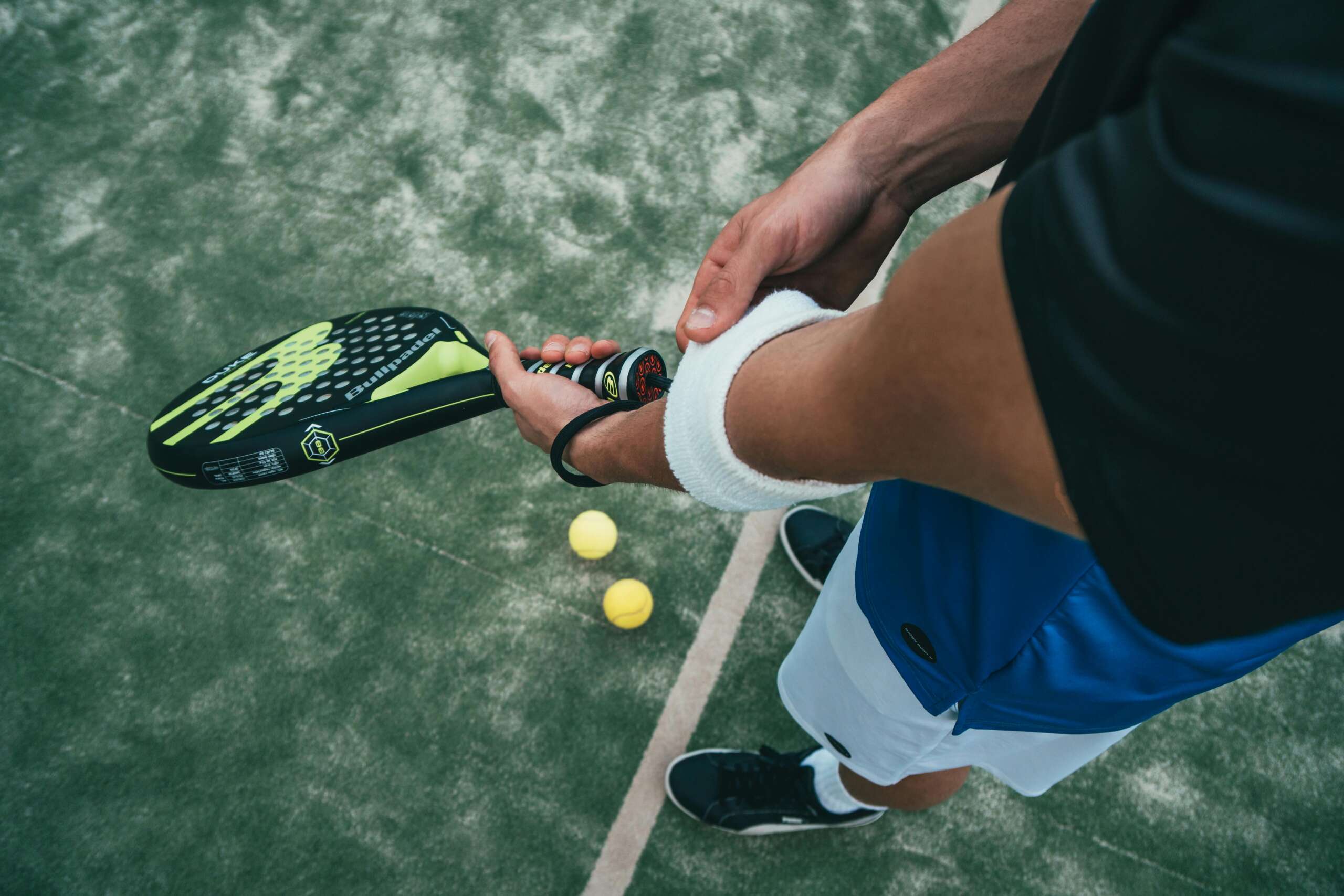
• Padel Racket: Solid, perforated, and without strings, typically made from composite materials.
• Padel Balls: Similar to tennis balls but with slightly less pressure.
• Footwear: Shoes with good grip, designed for artificial turf or padel courts.
Why Padel Appeals to So Many
• Accessibility: Easy for beginners, with a gentle learning curve.
• Social: Always played in doubles, fostering camaraderie.
• Fitness: Offers a great cardiovascular workout and improves agility.
• Fun Factor: Fast-paced rallies and the use of walls keep the game exciting.
Tips for Beginners
• Master the Basic Grip: Use the continental grip for versatility.
• Positioning: Stay centered and communicate with your partner.
• Use the Walls: Practice shots that utilize the glass for both offense and defense.
• Drills: Incorporate simple drills to improve control and footwork.
Common Mistakes to Avoid
• Overhitting: Focus on placement rather than power.
• Ignoring Walls: Learn to anticipate the ball’s bounce off the glass.
• Poor Teamwork: Always communicate and coordinate with your partner.
How to Get Started
• Find a Club: Many cities now have padel clubs or courts.
• Take Lessons: A few sessions with a coach can accelerate your learning.
• Join Social Games: Most clubs offer beginner-friendly sessions.
Conclusion
Padel is more than just a sport—it’s a community experience that’s accessible, engaging, and endlessly fun. Whether you’re looking for a new way to stay active or hoping to compete at a higher level, padel offers something for everyone. Grab a racket, find a court, and discover why so many are falling in love with this dynamic sport.
Keywords: padel, beginner guide, padel rules, padel sport, how to play padel
Recent Comments